Titan Concierge
May 11, 2026
How to Plan a Memorial Service: A Step-by-Step Family Guide With Real Ideas
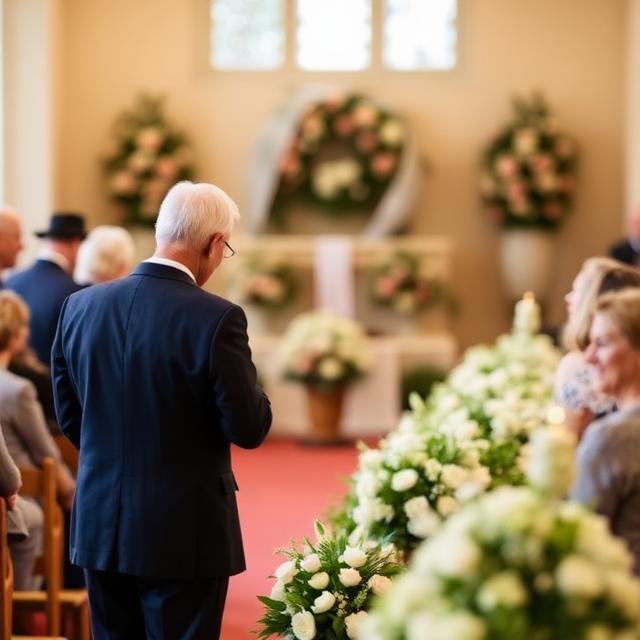
To plan a memorial service, pick a date, choose the format, book the venue and date together, build a 45 to 90 minute order of service, and send one clear announcement at least three weeks ahead. Then assign roles and plan the reception. Costs run from $900 to $1,800 for a small home memorial after direct cremation.
A step-by-step guide to planning a meaningful memorial service or celebration of life, including format, venue, order of service, music, food, and realistic costs.
Each blog on Titan Concierge is proofread by our in-house expert team to verify accuracy, current pricing, and family-safe guidance before it goes live.
A memorial service is not the same thing as a funeral. The body is not present. The pressure of the seventy-two-hour timeline is gone. You have weeks, sometimes months, to plan something that actually feels like the person being remembered. For most families, that is the point. A memorial is the version of remembrance you get to design rather than execute.
This guide walks through how to plan a memorial service from the first decision to the last thank-you note. It is based on the playbook our concierge team uses for families who chose direct cremation, who held a small private burial first, or who simply wanted more time before bringing everyone together.
A funeral happens close to the death and the body is present, often with a viewing. A memorial service happens after the body has been buried, cremated, or otherwise cared for, and there is no body in the room. A celebration of life is a memorial service that leans informal and joyful. All three can be religious or secular. Cost, location, and tone are entirely up to the family.
If you are weighing the choice between a traditional funeral and a memorial, read Funeral vs Memorial Service: Which Is Right for Your Loved One for the full comparison.
The most common memorial timing windows we see are these.
There is no rule. Choose what fits the family. Avoid major holidays unless the deceased loved that holiday specifically.
Memorial services have four broad formats. Pick one before you call any vendors. Mixing formats is what causes most planning mistakes.
Industry surveys in 2025 found that nearly half of all services in the United States had no traditional viewing, and celebration-of-life formats grew by double digits year over year. If your family wants something less formal, you are not alone.
Venues are the bottleneck. Most planning delays come from booking everything else first and then discovering the venue is unavailable.
Three categories work for most families.
Confirm the venue can hold at least 1.5 times your expected guest count. Memorials draw more people than families predict.
The order of service is the spine of the event. Most memorials run forty-five to ninety minutes. Here is a versatile template that works for most secular and lightly religious services.
Cut sections rather than shorten them. A five-minute eulogy is better than three rushed three-minute eulogies.
These three elements do more emotional work than anything else in the room.
Three to five songs is the right total. Mix one song the deceased loved, one song the family can sing along to, and one song that gives the room permission to cry. Avoid songs that everyone in the room has heard at every memorial service ever. The point is the person, not the genre.
A slideshow of forty to sixty photos paced to one song works better than a slideshow of two hundred photos paced to three. Mix decades. Childhood, young adulthood, mid-life, and recent images. Include the messy ones. The family laughing in the kitchen. The candid travel photo. The pets. People want texture, not perfection.
The most powerful memorial readings are short. A two-paragraph piece of writing by the deceased, a one-page letter from a child, or a single poem read aloud will land harder than a long block of scripture. Print copies for guests to take home if the writing was meaningful.
Memorial services do not need formal printed invitations unless the family wants them. What they do need is a single, clear, easy-to-forward announcement that goes out at least three weeks before the date.
A working template:
Please join the family of [Full Name] for a memorial service to remember and celebrate their life.
[Day, Date, Time]
[Venue Name and Address]
[Brief note: dress code, parking, RSVP if needed]
A reception will follow at [Venue or address].
In lieu of flowers, the family requests donations to [Charity name and link].
Send the announcement by email, by text thread, and as a single social media post. Pin it to the deceased's profile if the family is comfortable with that.
The reception is often the part of the memorial that families remember most clearly afterwards. People want a place to stand together, eat something, and tell stories.
The day of the memorial runs on assigned roles. Avoid having one family member trying to do everything.
Most memorial services flow into a reception. The reception is where the conversations actually happen. Two principles work for almost every family.
If you are budgeting, plan for ten to twenty dollars per guest for a light reception, twenty-five to forty-five dollars per guest for a buffet, and fifty dollars and up for a seated meal. Local restaurants and community halls are often the best value.
The work is not finished when the service ends. The week after the memorial is when the family processes what just happened.
Costs vary widely. Here is a realistic range.
For a wider view of total costs, read Funeral Cost Breakdown 2026.
How long after death should a memorial service happen?
Anywhere from two weeks to a year. There is no rule. Pick the date that works for the family.
Do we need an officiant or celebrant?
Not necessarily. A close family member can host the service. A celebrant or clergy member brings structure and removes the burden of running the event.
Can children attend?
Yes, and many families find it healing for them to be included. Brief children before the service on what to expect, and give them an adult who is not running the event to sit with.
What if the family is religious but the deceased was not?
Honour the wishes of the deceased. A secular memorial does not have to exclude a quiet personal moment of prayer at the end for those who want it.
Can we hold a second memorial later?
Many families do, especially on the one-year anniversary or the birthday of the deceased. There is no limit.
A memorial service done well is one of the most meaningful things a family will plan together. It is also one of the few moments where you get to design rather than react. Take the extra week. Pick the venue that fits the person. Choose the songs that make people cry and then make them laugh. The point is not to do it perfectly. The point is to do it in the shape of the life you are remembering.
If you want help running the logistics so the family can focus on the words and the people, talk to Titan Concierge. We have planned hundreds of memorial services, and the only one we plan twice is the second memorial a family chooses to hold a year later.